






Preparing sustainable solutions…

Loading the GNS experience

Upcoming ESG & OHS workshopBolivia – LATAM / Limited places00d00h00mReserve a place
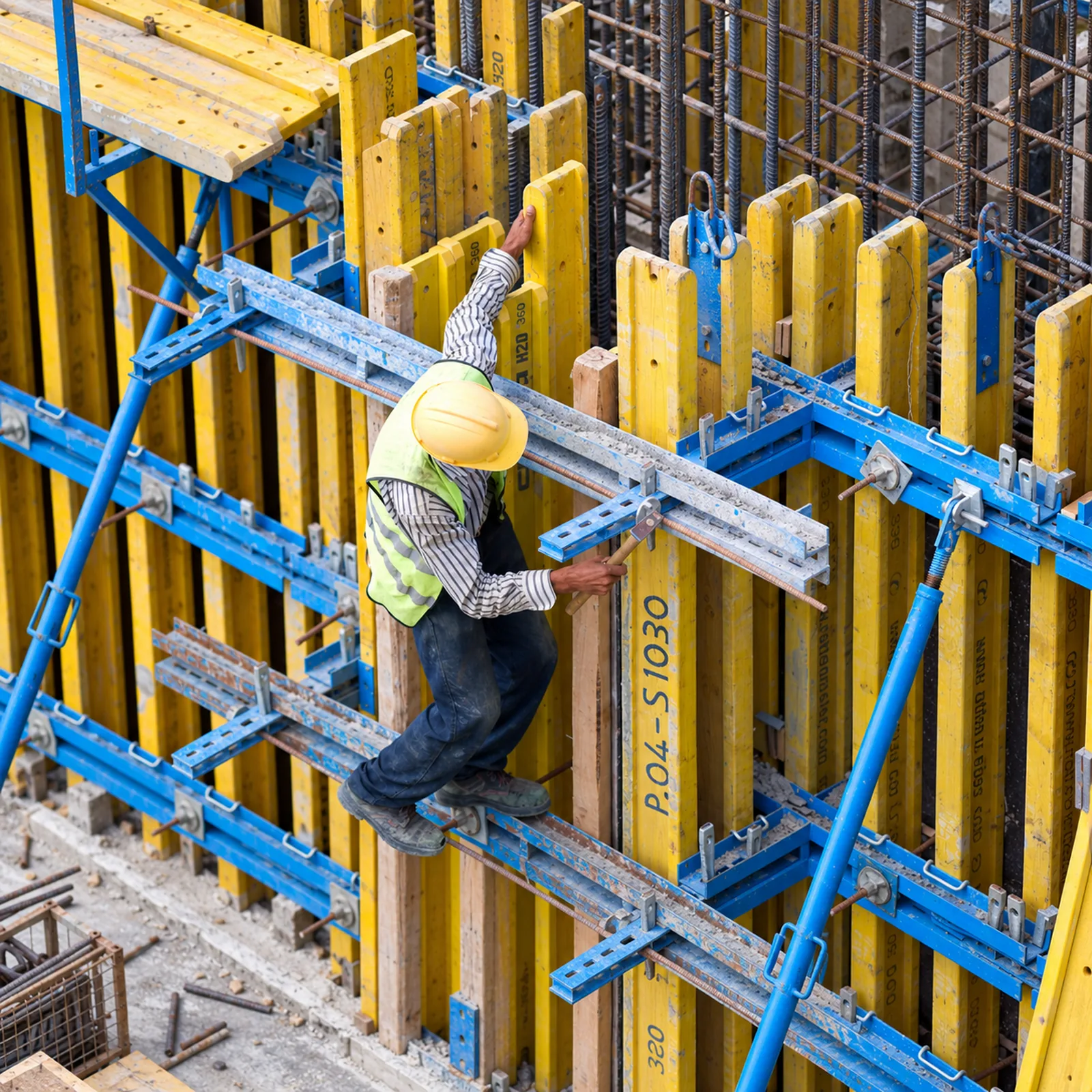
Technical health and safety assessment in a workplace.
Prevention · control · safety culture

Health and safety for your operations

We help your company identify hazards, control risks and strengthen safe habits through a clear, practical system.

Prevention connected to operations

From requirements to a real culture of prevention

Documents help, but prevention happens when teams understand the risks and apply controls in their daily work.

We combine assessment, measurements, procedures, training and field support to create controls appropriate to your company's tasks and risk levels.

Identified hazards
Prioritized controls
Prepared teams
Review my workplace risks
Occupational Health and Safety — technical work by GNS Ltda.
Demonstrable preventionProcedures, records and competencies connected to actual risks.
Prevention in practice

Prevention improves when everyone knows what to do

We adapt each program to your company's hazards, roles and responsibilities, combining technical knowledge and practice. Choose the area you want to strengthen to explore the controls and outcomes it may include.

Preventive management

A prevention system ready to put into practice

We organize responsibilities, documents and follow-up so prevention can be implemented, maintained and demonstrated.

  • Preparation and follow-up of the Occupational Health and Safety Management Program (PGSST).
  • Policies, responsibilities, programs, records and prevention indicators.
  • Support for ISO 45001 management systems, according to scope.
  • Advice on organizing the Joint Committee and emergency committees, and preparing for labor inspections.
Expected outcomes
  • Documented system
  • Defined responsibilities
  • Organized follow-up
01PGSST and systems

A prevention system ready to put into practice

We organize responsibilities, documents and follow-up so prevention can be implemented, maintained and demonstrated.

  • Preparation and follow-up of the Occupational Health and Safety Management Program (PGSST).
  • Policies, responsibilities, programs, records and prevention indicators.
  • Support for ISO 45001 management systems, according to scope.
  • Advice on organizing the Joint Committee and emergency committees, and preparing for labor inspections.
Expected outcomes
  • Documented system
  • Defined responsibilities
  • Organized follow-up
02IPERC and high-risk work

Risks assessed before they become incidents

We review roles, tasks and conditions to define appropriate controls and clear procedures for the people doing the work.

  • Hazard Identification, Risk Assessment and Controls matrix (IPERC).
  • Safe procedures for work at height, electrical work, hot work and other critical tasks.
  • Incident and accident investigation with corrective actions.
  • Assessment of fire load and operational risks.
Expected outcomes
  • Prioritized risks
  • Defined controls
  • Traceable corrective actions
03Hygiene and ergonomics

Working conditions measured and analyzed

We assess physical, ergonomic and psychosocial factors to guide improvements for each role, area and exposure.

  • Noise, lighting and heat stress monitoring.
  • Assessment of ergonomic risk factors by role.
  • Psychosocial assessments and use of the Nordic Musculoskeletal Questionnaire, according to scope.
  • Technical reports, results by area and follow-up on findings.
Expected outcomes
  • Quantified exposures
  • Improvements by role
  • Supporting technical reports
04Emergencies and training

Teams ready to respond

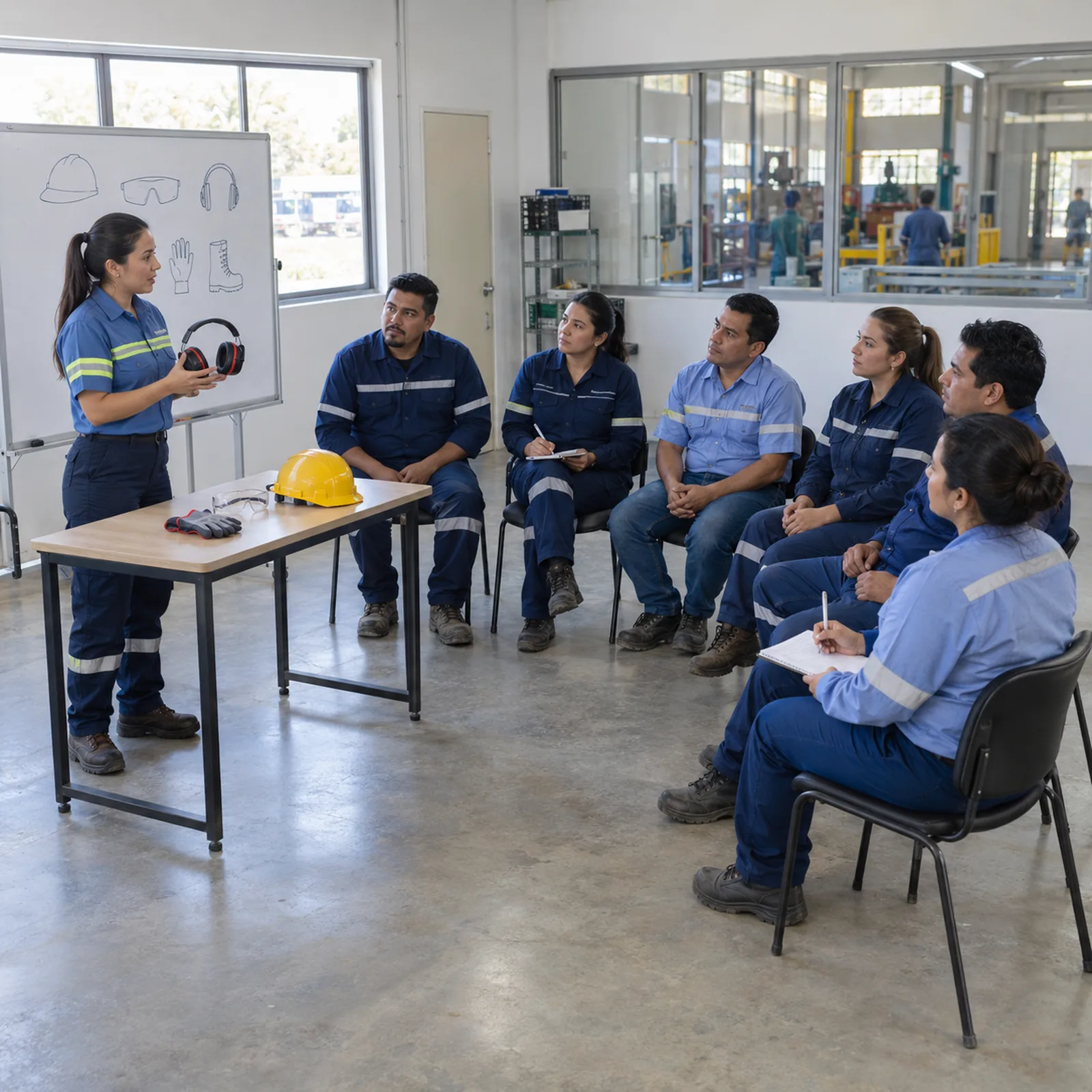
We create plans and deliver drills and practical training so teams can respond in a coordinated way.

  • Emergency, evacuation and response plans.
  • Evacuation and fire drills and extinguisher use.
  • First aid, defensive driving and safe equipment handling.
  • Campaigns and training in PPE, housekeeping and prevention during critical tasks.
Expected outcomes
  • Clear emergency roles
  • Stronger competencies
  • Training records
Our working method

From assessment to preventive control

We start with your company's actual risks and turn every stage into controls, training and follow-up your team can apply.

01

Initial assessment

We review activities, roles, incidents, documentation and working conditions.

02

Prioritization

We organize risks, controls, responsibilities and prevention requirements.

03

Implementation

We develop documents, measurements, training and on-site controls.

04

Continuous improvement

We verify results, findings, records and indicators.

What the client receives

Tools ready for prevention

Every deliverable helps your company apply controls, demonstrate progress and strengthen prevention.

1
PGSST programPrevention framework and documentation matching the agreed scope.
2
IPERC matrixHazards, risk levels, controls and responsible people.
3
Safe work proceduresPractical instructions for critical tasks and work.
4
Emergency planCoordination, routes, resources, roles and expected response.
5
Measurement reportsResults of hygiene, ergonomics or occupational health assessments.
6
Training recordsContent, participants, assessments and evidence of training.
Indicative OHS calculator

Estimate how much prevention could save your company

Enter your operational data to see the estimated annual cost of accidents, projected savings and return on investment in prevention.

This calculation shows
  • Estimated annual incident cost
  • Projected savings through prevention
  • Estimated return on prevention investment

Calculate your potential savings

Suggested values vary by sector and can be edited to reflect your company's circumstances.

Step 1 of 2
Incident reduction scenario with digital prevention management

Indicative estimate for strategic decision-making. It does not constitute an actuarial, legal or accounting opinion; actual costs vary by company.

Frequently asked questions

Before you begin

These answers provide general guidance. The final scope is confirmed after reviewing each case's information and requirements.

View more frequently asked questions
What changes in a PGSST when there are several sites or critical tasks?

The program must distinguish the processes, roles, shifts, responsibilities and exposures at each workplace. A common management framework is maintained, while controls, procedures and evidence are adapted to each operation's actual risks.

How do you decide whether training should be theoretical, practical or include a drill?

The format depends on the competency to be developed and the risk to be controlled. Operational and response topics require demonstration, practice, assessment and records; drills are planned when coordination and response times need to be verified.

What should be reviewed before measuring noise, lighting or heat stress?

First, we identify tasks, schedules, sources, exposure duration and groups of workers with similar conditions. This defines a representative measurement strategy and avoids interpreting isolated results that do not reflect the actual working day.

What does an accident investigation deliver beyond the report?

It should establish a verifiable sequence of events, immediate and underlying causes, missing controls and corrective actions. Responsibilities, deadlines and closure evidence are also assigned to verify that improvements were implemented and help prevent recurrence.

Next step

Let's strengthen prevention in your company

Tell us about your company's activity and the prevention need you want to address. We will help define the starting point.