







Preparing sustainable solutions…

Loading the GNS experience

Upcoming ESG & OHS workshopBolivia – LATAM / Limited places00d00h00mReserve a place
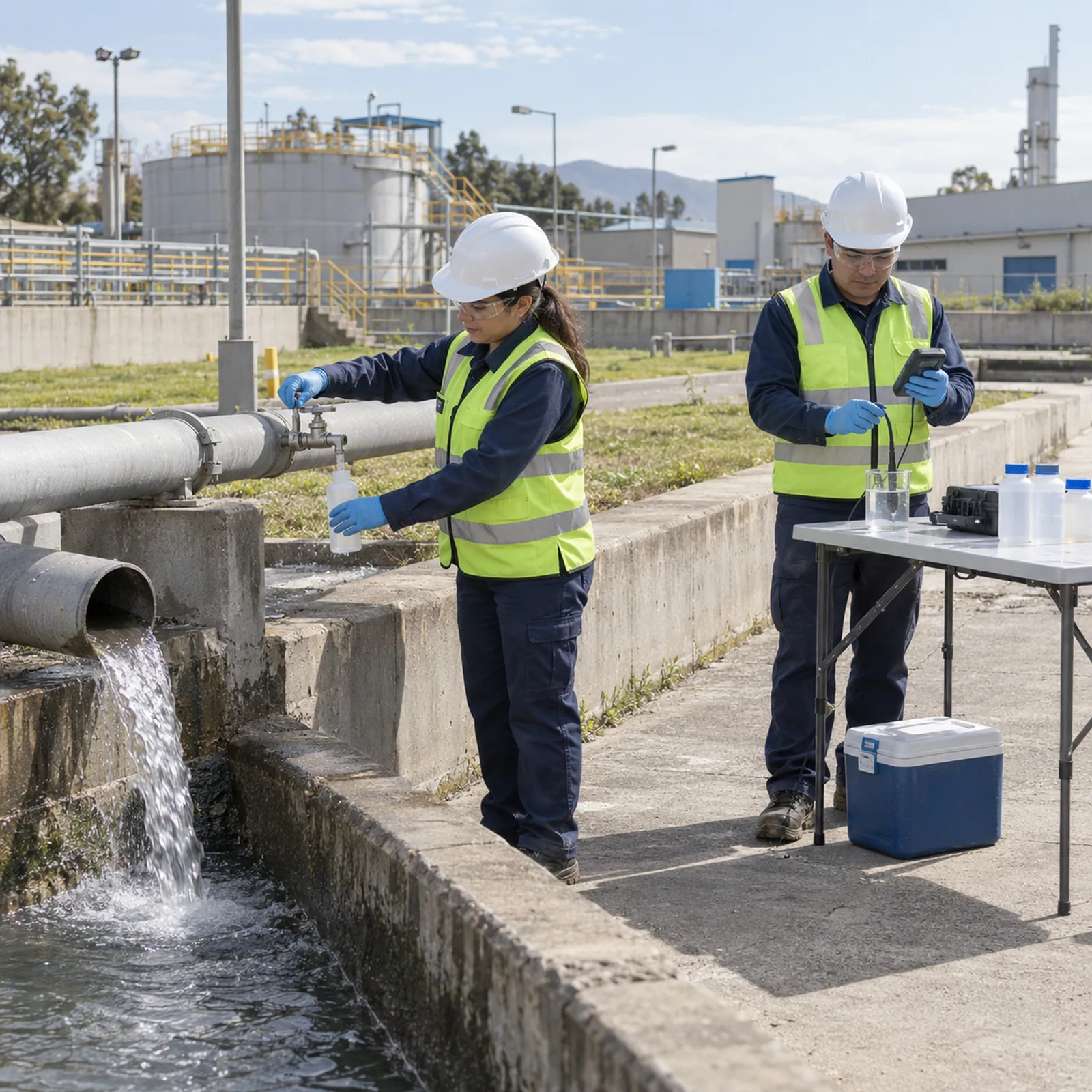
Specialists conducting an environmental management assessment.
Compliance · prevention · performance

Environmental management for better operations

We review your activity to identify the permits, monitoring and evidence it actually needs, anticipating findings that could disrupt operations.

A structured environmental approach

From obligations to operational control

Environmental management works best when it connects requirements with risks, responsible people and the realities of each operation.

We review your company's activity, location, history and changes to identify the instruments, monitoring and actions it actually needs. This creates a clear, practical pathway that is easy to maintain.

Identified obligations
Prioritized risks
Organized evidence
Speak to an environmental specialist
Environmental Management — technical work by GNS Ltda.
A verifiable technical pathwayDocuments, controls and next steps connected in one strategy.
Environmental compliance pathway

A clear pathway for every environmental need

The initial assessment identifies the document your company needs, how it connects to operations and what evidence must be maintained. Choose the environmental area you want to address to explore the services and outcomes it may include.

Regularization and compliance

The right environmental instrument for each activity

We review background information, operational changes and applicable requirements to identify the correct instrument and support its submission or updating.

  • Support for obtaining and updating environmental permits in production and service sectors.
  • Environmental Categorization Level Form (FNCA), Environmental Statement (MA) and Industrial Environmental Register (RAI).
  • Prevention and Mitigation Program and Environmental Application and Monitoring Plan (PPM–PASA).
  • PMA/PAA plans, environmental impact assessment studies and LASP permits for hazardous substances.
Expected outcomes
  • Defined management pathway
  • Organized technical dossier
  • Clear steps and responsibilities
01Permits and instruments

The right environmental instrument for each activity

We review background information, operational changes and applicable requirements to identify the correct instrument and support its submission or updating.

  • Support for obtaining and updating environmental permits in production and service sectors.
  • Environmental Categorization Level Form (FNCA), Environmental Statement (MA) and Industrial Environmental Register (RAI).
  • Prevention and Mitigation Program and Environmental Application and Monitoring Plan (PPM–PASA).
  • PMA/PAA plans, environmental impact assessment studies and LASP permits for hazardous substances.
Expected outcomes
  • Defined management pathway
  • Organized technical dossier
  • Clear steps and responsibilities
02Monitoring and assessment

Environmental data that supports decisions

We determine what to measure based on the activity, critical points and applicable requirements. We coordinate fieldwork and explain what the results mean.

  • Air, water, soil, noise and effluent monitoring.
  • Definition of sampling points, parameters, frequency and conditions.
  • Interpretation of results and prioritization of deviations.
  • Environmental Monitoring Reports (IMA), Annual Environmental Reports (IAA) and periodic reporting.
Expected outcomes
  • Interpreted results
  • Prioritized gaps
  • Reports ready for follow-up
03Waste and efficiency

Lower impacts and better resource use

We help reduce waste, consumption and discharges through practices your team can apply and maintain.

  • Technical management of solid and liquid waste according to the applicable scope.
  • Segregation, storage, treatment and disposal procedures.
  • Cleaner production, application of the 4Rs and reduced natural resource consumption.
  • Wastewater minimization and operational efficiency measures.
Expected outcomes
  • Defined operational controls
  • Trained responsible staff
  • Identified reduction opportunities
04Auditing and follow-up

Environmental commitments under control

We help keep your company's deadlines, commitments, evidence and corrective actions under control.

  • Environmental assessments and audits.
  • Commitment matrices, schedules and evidence control.
  • Follow-up on findings and action plans.
  • Environmental training, education and awareness for teams and communities.
Expected outcomes
  • Follow-up calendar
  • Centralized evidence
  • Stronger environmental culture
Our working method

From assessment to environmental follow-up

We review your starting point, define priorities and support every step so your company's environmental management is clear and sustainable.

01

Technical information gathering

We review the activity, location, history, changes and available documentation.

02

Environmental pathway

We define instruments, monitoring, responsibilities, priorities and a schedule.

03

Coordinated delivery

We prepare documents, coordinate fieldwork and support implementation.

04

Control and evidence

We track commitments, indicators, findings and deadlines.

What the client receives

Clear documents for decisions and compliance

From the outset, you will know which documents and tools you will receive to make decisions, meet requirements and maintain follow-up.

1
Gap assessmentStarting conditions, priorities and identified environmental risks.
2
Obligations matrixRequirements, responsibilities, dates and associated evidence.
3
Technical instrumentsEnvironmental documents developed to the agreed scope.
4
Monitoring reportsResults, technical interpretation and relevant findings.
5
Action planPrioritized measures, responsibilities and implementation timelines.
6
Evidence dossierOrganized documentation for follow-up and future reviews.
Frequently asked questions

Before you begin

These answers provide general guidance. The final scope is confirmed after reviewing each case's information and requirements.

View more frequently asked questions
What should I prepare if my activity has changed since the last permit?

Gather the current permit, drawings, processes, equipment, raw materials, production capacity and records of emissions, discharges or waste. Comparing these identifies what has changed, what needs supporting evidence and which update pathway applies.

How are environmental monitoring points and parameters selected?

We review sources, potential receptors, regulations, historical information and actual operating conditions. This defines sampling points, parameters, frequency and conditions. Laboratory results are then interpreted in the context of the activity.

How is follow-up organized to avoid missed deadlines or lost evidence?

An obligations matrix can be established with responsible people, dates, alerts and required evidence. Regular follow-up checks progress, organizes records and identifies commitments requiring corrective action in advance.

What is reviewed before applying for a LASP permit?

We identify hazardous substances, quantities, safety data sheets, storage, handling, transport and contingency measures. This confirms the technical scope and the requirements to be addressed with the competent authority.

Next step

Let's organize your company's environmental management

Tell us about your activity or project. Our team will review the starting point and advise you on the next step.