






Preparing sustainable solutions…

Loading the GNS experience

Upcoming ESG & OHS workshopBolivia – LATAM / Limited places00d00h00mReserve a place
Specialist fire detection and protection system.
Detection · protection · continuity

Comprehensive fire protection

We design and integrate detection systems and active and passive protection to safeguard people, assets and critical infrastructure.

Comprehensive, verifiable protection

A system designed for your company's actual risks

Effective protection goes beyond a single device: it combines detection, control, compartmentation, evacuation, maintenance and human response.

GNS leads the assessment and integration of each project. Our alliances with Maxiseguridad and Mesquita Hermanos provide technical support and specialist solutions adapted to your company's risks and needs.

Understood risks
Integrated systems
Prepared response
Review my protection system
Fire Protection Systems — technical work by GNS Ltda.
Protected continuityPeople, infrastructure and operations considered as one system.
Coordinated protection

Technologies that work together when needed most

A sound system detects early, alerts clearly, controls the event and protects evacuation routes. Choose the component you need to explore the solutions and outcomes it may include.

Technical judgment

Risk as the project's starting point

We analyze occupancy, installations, materials and scenarios to define the type of protection and documentation required.

  • Inspections and fire risk assessments.
  • Fire load studies and evacuation route reviews.
  • Specialist project design and management.
  • Review of existing systems and definition of improvement actions.
Expected outcomes
  • Identified gaps
  • Design criteria
  • Intervention plan
01Assessment and design

Risk as the project's starting point

We analyze occupancy, installations, materials and scenarios to define the type of protection and documentation required.

  • Inspections and fire risk assessments.
  • Fire load studies and evacuation route reviews.
  • Specialist project design and management.
  • Review of existing systems and definition of improvement actions.
Expected outcomes
  • Identified gaps
  • Design criteria
  • Intervention plan
02Active protection

Systems that detect, alert and control

We integrate technologies according to the risk, protected area and facility's expected response.

  • Intelligent or conventional detection and alarms, combustible gas detection and voice evacuation systems.
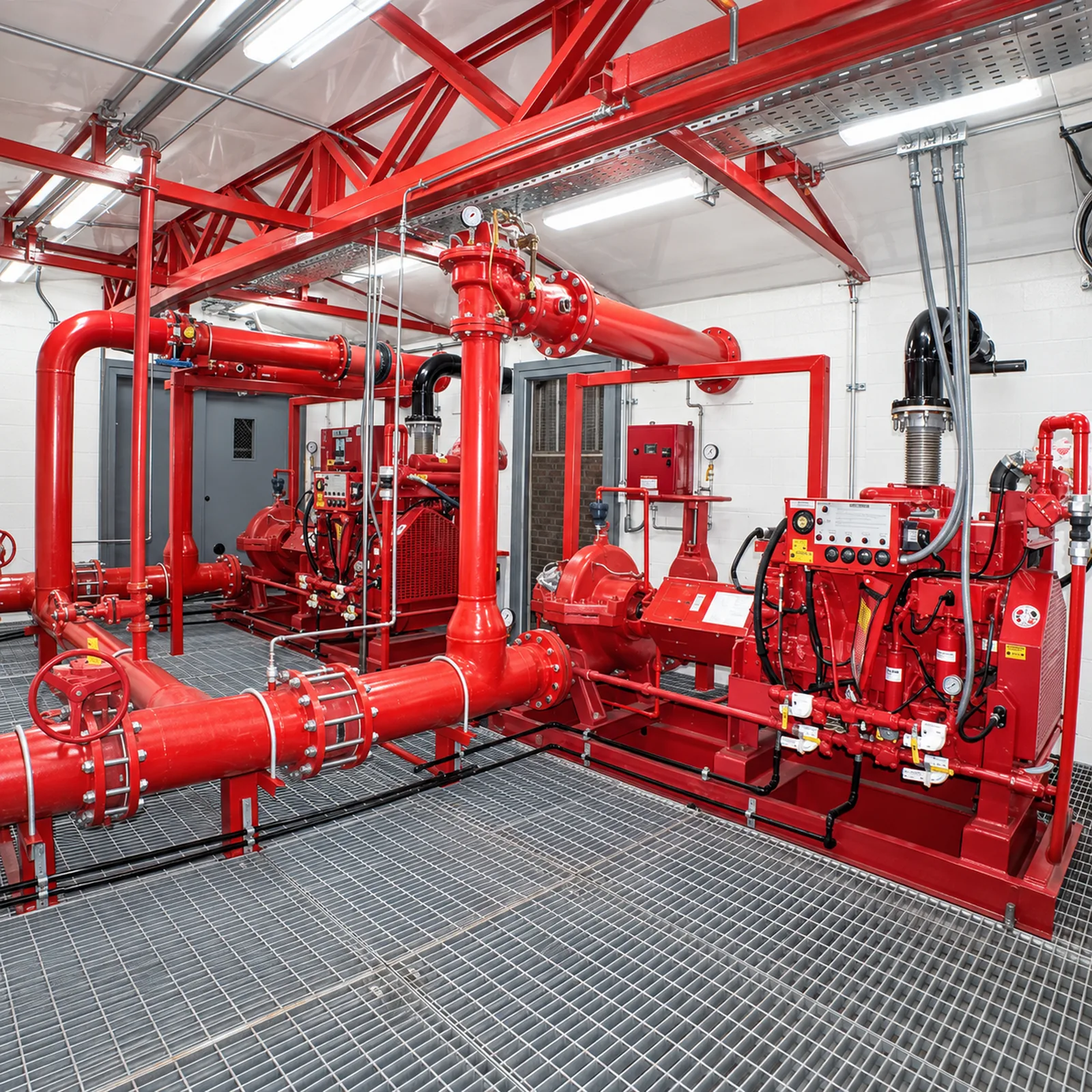
  • Hydrant networks, fire hose cabinets, sprinklers, foam and water spray systems.
  • Clean agent and inert gas suppression for critical areas.
  • Automatic suppression for industrial kitchens with detection and gas shutoff.
Expected outcomes
  • Defined coverage
  • Integrated systems
  • Automated response
03Passive protection

Barriers that limit fire spread

Passive protection keeps compartments safe, supports evacuation and helps preserve the integrity of critical areas.

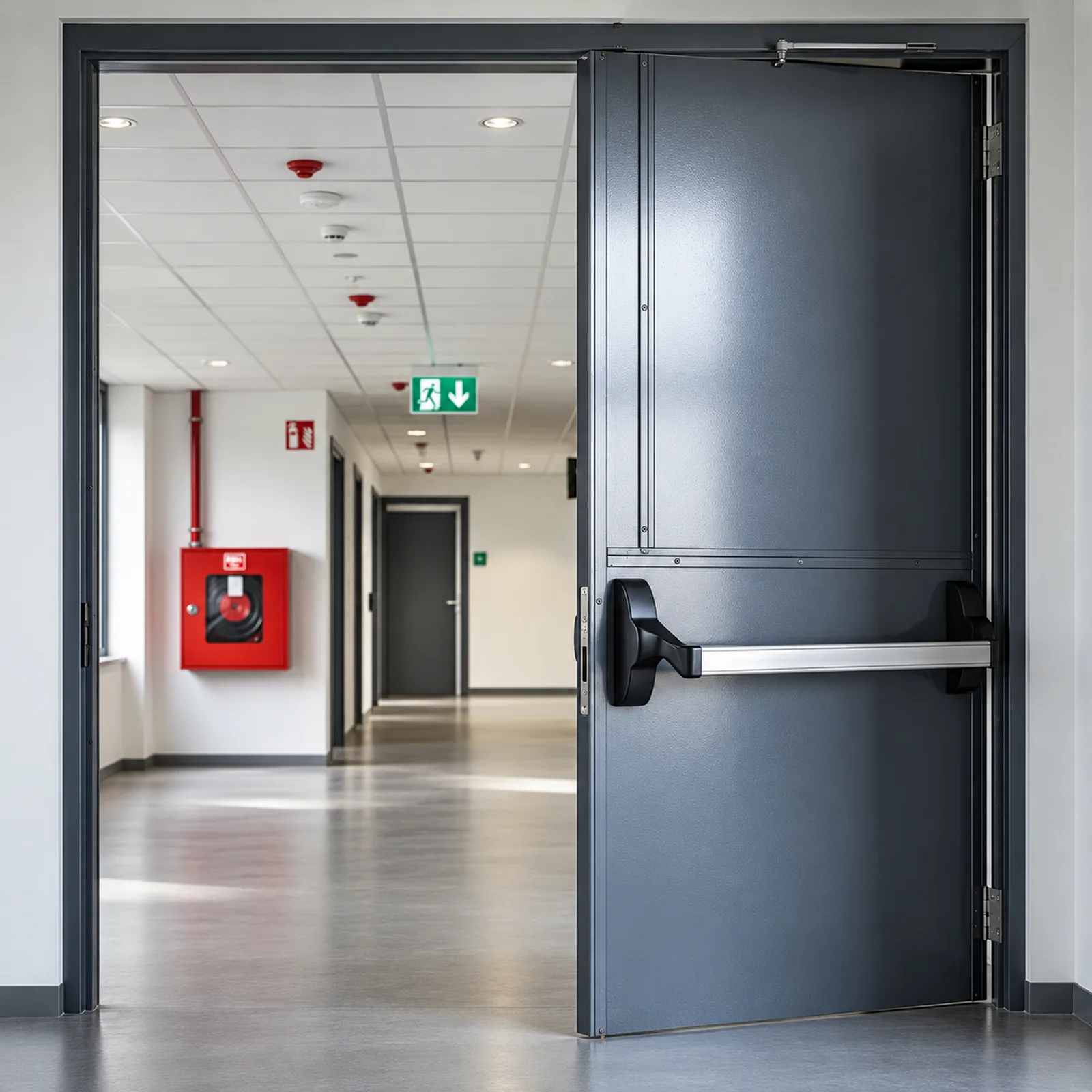
  • RF 60, RF 90 and RF 120 fire-rated doors, including single, double, glazed and industrial doors.
  • Certified hardware, panic bars and door closers.
  • Seals, fire-retardant materials and fire-resistant construction solutions.
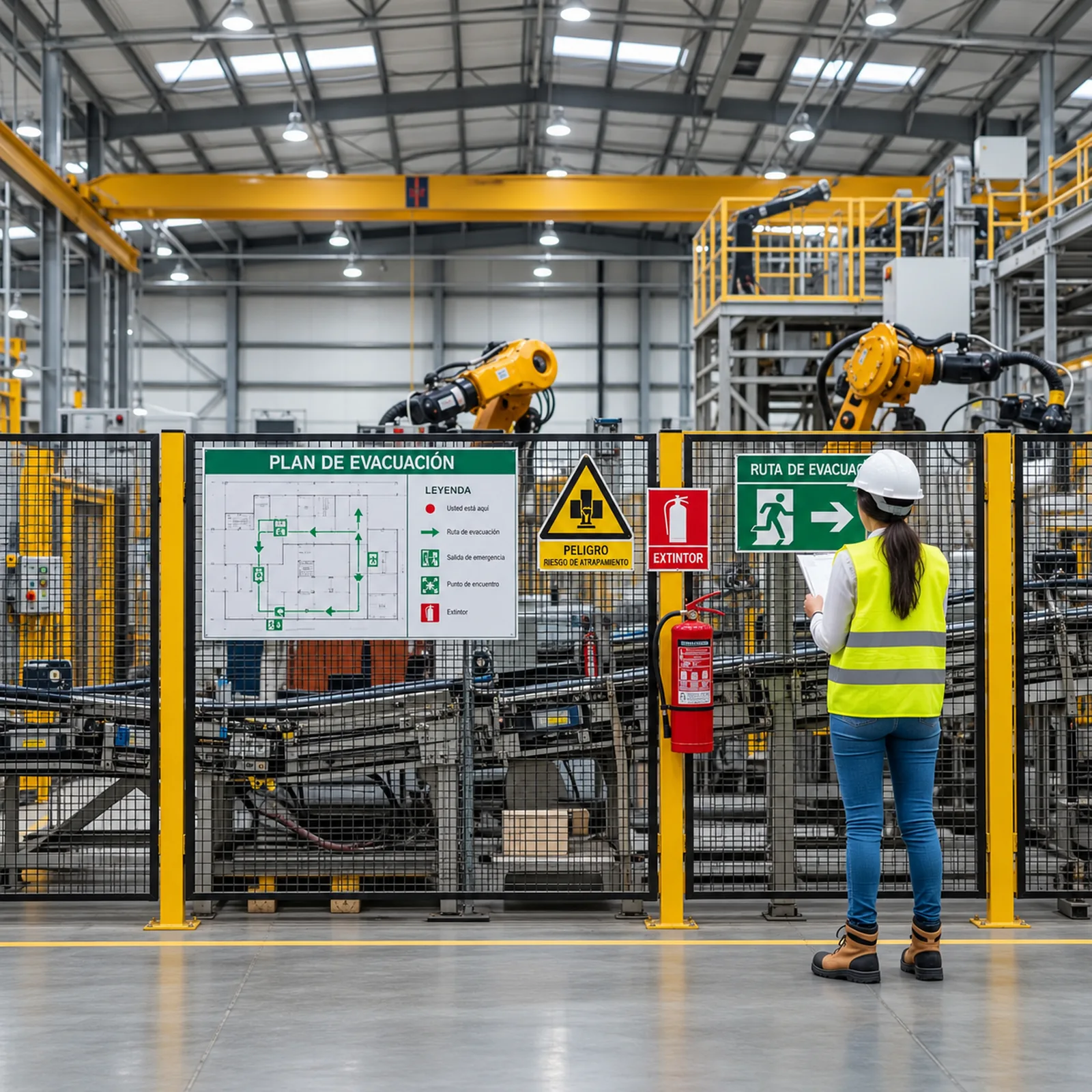
  • Signage, notices and evacuation route support.
Expected outcomes
  • Protected compartments
  • Safer evacuation
  • Specified components
04Maintenance and training

Systems ready to respond

Inspections, tests and training help keep installed equipment reliable over time.

  • Inspection, testing and preventive or corrective maintenance.
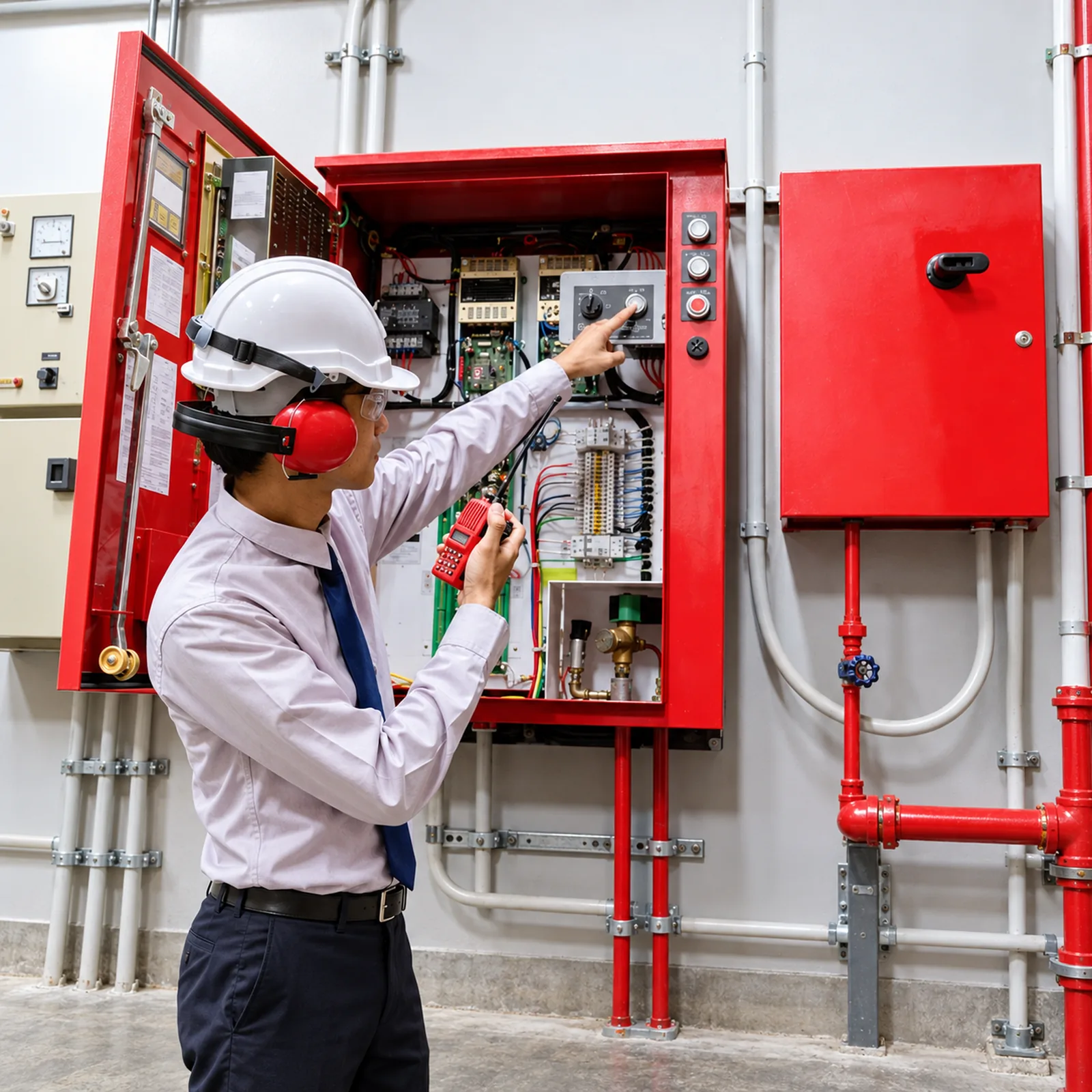
  • Verification of panels, devices, networks and passive components.
  • Operational training in systems, extinguishers and basic response.
  • Records of findings, actions and upcoming checks.
Expected outcomes
  • Verified condition
  • Prioritized findings
  • Prepared staff
Our working method

From risk to a verified system

We start with your company's actual risks to design, integrate, verify and maintain reliable protection.

01

Inspection

We review occupancy, risks, existing systems, routes and critical conditions.

02

Design

We define the protection system, equipment, documentation and stages.

03

Implementation

We coordinate supply, installation, integration, signage and testing.

04

Maintenance

We verify condition, record findings and recommend upcoming checks.

What the client receives

Documentation for implementation and maintenance

Every deliverable helps your company implement, verify and maintain its protection system using clear criteria.

1
Inspection reportObserved conditions, gaps and intervention priorities.
2
Design reportTechnical criteria and overall protection system architecture.
3
Drawings and specificationsLocation, components, materials and main requirements.
4
Testing protocolChecks required to review operation and integration.
5
Maintenance planFrequencies, responsibilities, inspection points and records.
6
Training recordContent, participants and operational response guidance.
Frequently asked questions

Before you begin

These answers provide general guidance. The final scope is confirmed after reviewing each case's information and requirements.

View more frequently asked questions
How do you determine which system best protects a critical area?

We analyze the risk type, occupancy, fire load, operational continuity, assets, ventilation, water availability and evacuation routes. Detection, alarms, control and suppression are then combined according to applicable technical criteria.

What is reviewed before choosing a clean agent or inert gas?

We consider room volume and airtightness, occupancy, ventilation, early detection, discharge time and service continuity. The selection must protect assets without introducing additional risk to occupants.

How do you verify that a fire-rated door works as a complete system?

Checking the door leaf alone is not enough. Certification, frame, seals, hardware, fixings, self-closing operation, clearances and wall compatibility are verified. The complete installation determines fire performance.

What evidence should remain after inspection or maintenance?

There should be an updated inventory, findings, tests performed, measurements, components serviced, dates and outstanding actions. Records assign responsibilities, demonstrate system condition and allow corrections to be tracked.

Next step

Let's protect your infrastructure before an emergency

Tell us about the property, activity and existing system. We will advise you on the inspection or technical assessment required.